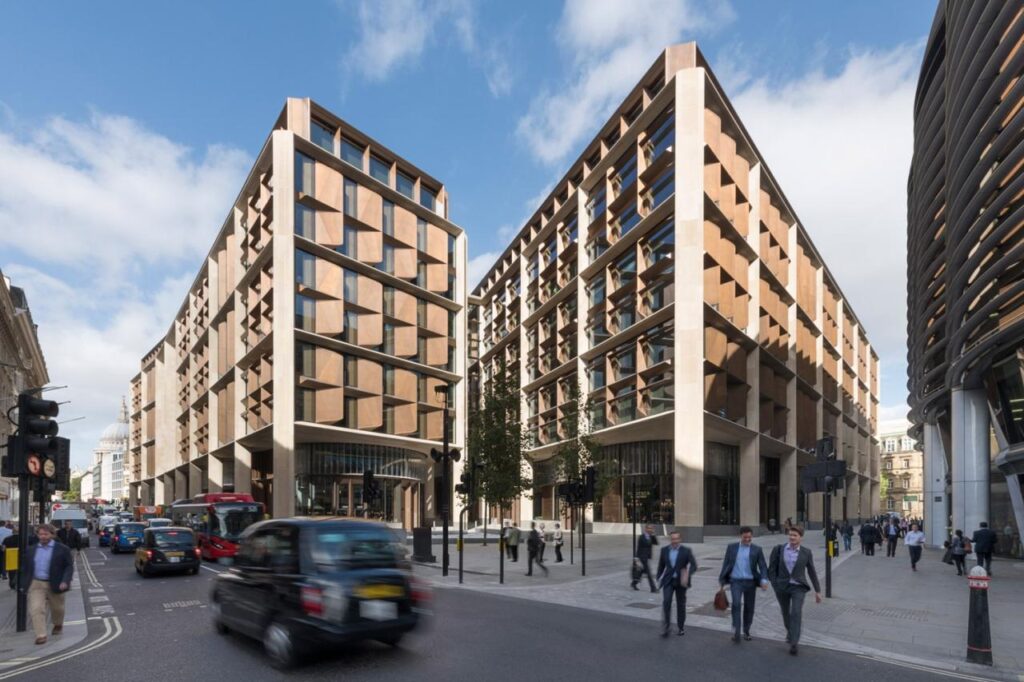
Dynamic Skins: Facades of Tomorrow’s Buildings
The building facade, once a static barrier against the elements, is rapidly evolving into a dynamic, responsive ‘skin’ that actively manages the structure’s interaction with its environment. This transformation is entirely driven by the integration of smart materials—substances engineered to sense and react to external stimuli like light, heat, or electric currents. For investors, publishers, and developers, this technological shift represents one of the most lucrative and future-proof segments of the global construction and $\text{ESG}$ (Environmental, Social, and Governance) markets.
Buildings are responsible for a massive share of global energy consumption, and the smart facade is the critical solution for achieving Net-Zero Energy (NZE) goals, simultaneously commanding higher property values and maximizing operational efficiency. This extensive analysis explores the technology, economics, and investment opportunities within the revolutionary field of dynamic building envelopes, providing a comprehensive resource for maximizing search engine visibility and ad revenue potential.
I. The Genesis of the Smart Facade Revolution
The pressure to decarbonize the global economy has pushed the construction industry past incremental energy efficiency improvements toward radical, systemic change. The building envelope is the primary mediator of thermal exchange and light transmission, directly influencing up to 40% of a building’s total energy demand. A static facade is fundamentally inefficient because environmental conditions (sun angle, temperature, cloud cover) are constantly changing, while the building’s fixed design can only offer a single, non-optimal response. The advent of performative and smart materials provides the ability to create truly adaptive structures.
A. Defining Smart and Adaptive Materials
The key to understanding this market lies in defining the core technology. Smart materials possess an inherent ability to alter one or more of their properties (color, transparency, shape, reflectivity) in a controlled and reversible manner in response to an external trigger.
- Passive Adaptive Materials: These materials react directly to a stimulus without external power or complex control systems. For example, a thermochromic material darkens automatically when it reaches a certain temperature.
- Active Adaptive Materials: These require an external energy source (typically an electric current) and are usually controlled by a Building Management System (BMS) that integrates data from sensors (temperature, light, occupancy). Electrochromic glass falls into this category.
B. The Economic Imperative: Efficiency and Value
The initial higher **Capital Expenditure ($\text{CapEx}$) ** of smart facades is swiftly amortized by four critical economic benefits:
- Energy Consumption Reduction: Dynamic control over solar heat gain and daylight penetration can reduce a building’s heating, ventilation, and air conditioning (HVAC) and lighting costs by 30% to 60% compared to traditional facades.
- Peak Load Shaving: Smart systems can strategically reduce energy demand during high-cost peak hours, leading to significant savings on utility tariffs.
- Green Premium: Buildings with certified high-performance facades command a verifiable “green premium” in both rental yield and final sale price, positioning them as superior investment assets.
- Regulatory Compliance: They future-proof assets against tightening $\text{CO}_2$ emissions standards and looming “stranded asset” risks associated with low-performing buildings.
II. Core Smart Materials Driving Facade Innovation
The technological landscape is diverse, offering various solutions tailored to specific climate zones and performance requirements. The most influential smart materials are currently concentrated in glazing and surface coating technologies.
A. Electrochromic (EC) Glazing
This is arguably the most commercially mature and impactful smart material in facades.
- Mechanism: EC glass changes its opacity or tinting when a low-voltage electrical charge is applied. This alters the Solar Heat Gain Coefficient ($\text{SHGC}$) and Visible Light Transmittance ($\text{VLT}$).
- Application: In commercial office towers, EC glass can instantaneously darken a window panel to prevent glare and solar overheating when the sun moves, yet remain clear on cloudy days to maximize natural light. This reduces the need for internal blinds and artificial lighting.
- Financial Impact: Eliminates the need for external shading devices, simplifies construction, and reduces the size and cost of the required HVAC system—a major component of construction CapEx.
B. Thermochromic (TC) Materials
These are passive materials that respond directly to temperature changes.
- Mechanism: TC films or coatings contain specialized pigments that change their light-absorbing or reflecting properties once they cross a specific temperature threshold. For example, they may become reflective when the surface temperature exceeds $25^{\circ}\text{C}$ to reject solar heat.
- Application: Ideal for applications where a non-electric, fail-safe response is desired. Often used in roof tiles or external wall panels to automatically regulate the building’s thermal envelope without a complex BMS.
- Advantage: Zero operational energy cost for activation, making them exceptionally low-maintenance and highly reliable.
C. Phase-Change Materials (PCM)
While not a “smart” material in the sense of changing optical properties, PCMs are crucial for smart thermal management in facades.
- Mechanism: PCMs absorb and release large amounts of latent heat as they undergo a phase transition (e.g., from solid to liquid) at a specific temperature point. Encapsulated PCM layers integrated into facade panels or drywall act as thermal batteries.
- Application: In hot climates, PCMs absorb daytime heat, preventing it from entering the interior. At night, they release the stored heat to the cooler exterior air. This flattens the internal temperature curve, dramatically reducing the work required by the HVAC system.
- Impact: Shifts peak thermal loads to off-peak hours, allowing for smaller, more efficient HVAC units and reducing overall energy costs.
D. Photovoltaic (PV) Integrated Facades
This is the fusion of form and function—turning the building skin into an active power plant.
- Mechanism: Building-Integrated Photovoltaics (BIPV) replace conventional facade materials (glass, metal panels) with PV cells that generate electricity. Modern BIPV can be semi-transparent, colored, or textured.
- Application: Allows large glass facades to function as both a sun-shading element and a renewable energy source, simultaneously reducing operational energy demand and generating on-site power, driving the building towards NZE status.
- Investment Value: Transforms the facade from a cost center into a revenue-generating asset, dramatically increasing the property’s appeal to $\text{ESG}$-focused tenants and investors.
III. System Integration: The “Smart Skin” Ecosystem
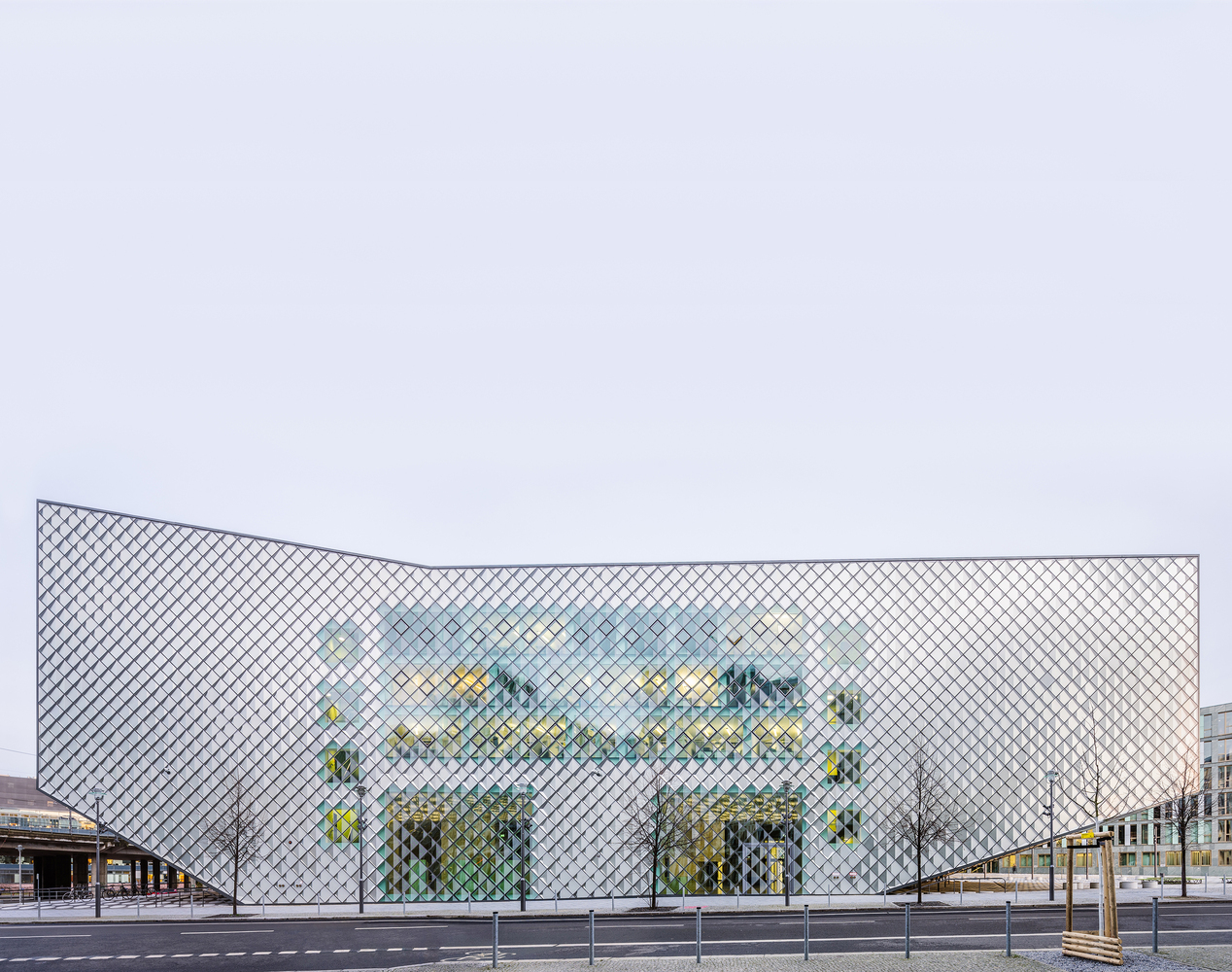
The true value of smart materials is unlocked when they are integrated into a cohesive, intelligent system known as the “Smart Skin” or Adaptive Building Envelope. This requires the combination of material science and cutting-edge PropTech (Property Technology).
A. The Role of the Building Management System (BMS)
The BMS is the brain of the adaptive facade.
- Data Acquisition: It continuously collects data from external sensors (sun irradiance, wind speed, external temperature) and internal sensors (occupancy, internal temperature, glare levels).
- Predictive Control: Using Artificial Intelligence (AI) and Machine Learning (ML) algorithms, the BMS predicts future environmental conditions and occupant needs. It then sends control signals to actuators on the facade.
- Optimization: The BMS calculates the optimal facade setting (e.g., how dark the electrochromic glass should be, or the angle of dynamic louvers) to achieve the best balance between energy efficiency, occupant comfort, and natural light availability.
B. Dynamic Shading Systems (Kinetic Facades)
These systems use mechanical components, often driven by smart materials like Shape Memory Alloys (SMAs), to physically move and change the facade’s geometry.
- SMA Mechanism: SMAs are metal alloys that “remember” a pre-defined shape. When heated (often via a small electric current or even solar radiation), they return to that shape, providing a compact, lightweight, and powerful actuation mechanism for kinetic shading.
- Biomimetic Design: Many kinetic facades are inspired by nature (biomimicry), such as the scales of a pine cone or the iris of an eye, to achieve highly efficient, passive-like movement.
- Advantages: Offers total blackout capability when needed, provides excellent glare control, and delivers a stunning visual and artistic impact that enhances the building’s aesthetic value.
C. Self-Healing and Self-Cleaning Materials
Beyond energy management, smart materials are extending the service life of the facade.
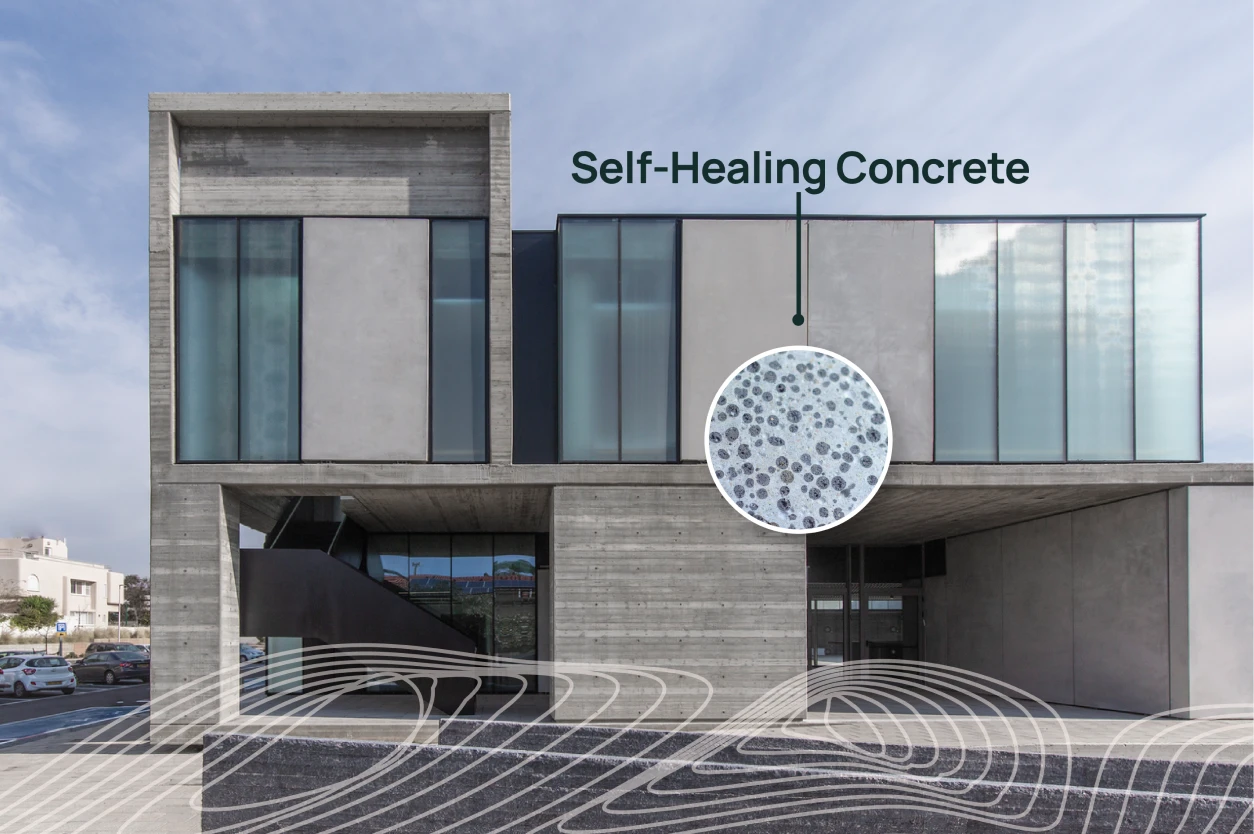
- Self-Healing Concrete/Coatings: These materials contain encapsulated healing agents that are released when a micro-crack forms (e.g., due to thermal stress), chemically sealing the damage and preventing water infiltration, which is a major cause of building decay.
- Self-Cleaning (Photocatalytic) Surfaces: Coatings containing titanium dioxide ($\text{TiO}_2$) react with sunlight and moisture to break down organic dirt and pollutants, which are then washed away by rain. This dramatically reduces maintenance costs, especially for high-rise buildings where facade cleaning is a major operational expense.
IV. Investment and Market Opportunities
The smart facade sector is rapidly transitioning from a research-intensive field to a scalable industrial market, presenting differentiated investment strategies for institutional and private capital.
A. The High-Growth Investment Avenues
A. Manufacturing and Supply Chain Investment
Capitalizing on the foundational technology.
- Target: Companies that produce electrochromic films, BIPV panels, and Phase-Change Material encapsulation.
- Opportunity: The increasing scale of construction offers massive economies of scale for these niche manufacturers, driving high revenue growth.
B. PropTech and Software Platforms
Investing in the ‘brain’ that controls the facade.
- Target: Firms specializing in AI-driven BMS platforms, predictive maintenance software for facade systems, and sensor technology (IoT).
- Opportunity: High-margin software services that are licensed to building operators globally, regardless of the physical material used, offer a recurring revenue stream.
C. Specialist Design and Engineering Firms
Companies capable of integrating complex smart systems.
- Target: Architectural and engineering firms with deep expertise in kinetic design, BIPV integration, and whole-building energy modeling for high-performance envelopes.
- Opportunity: These highly specialized firms command premium consulting fees as projects become more complex and regulation-driven.
B. Long-Term Financial Metrics: The Investor’s Perspective
The investment case for smart facades is underpinned by superior financial performance metrics:
- Reduced Operational Expenditure (OpEx): The core value proposition—lower energy bills translate directly into higher Net Operating Income (NOI). A dollar saved on OpEx is often worth significantly more than a dollar gained in rent.
- Increased Occupant Productivity: Improved daylighting and thermal comfort (non-glare, stable temperature) have been linked to significant increases in employee productivity, making the space more valuable to commercial tenants who prioritize human capital.
- Lower Insurance and Maintenance Costs: Self-cleaning and self-healing properties reduce wear and tear and the frequency of costly, risky external maintenance operations. The enhanced fire safety of modern composite facades also lowers insurance liabilities.
- Premium Valuation Multiple: High-performance buildings attract a better class of institutional investors and tenants, resulting in lower capitalization rates ($\text{Cap Rate}$) and thus a higher overall property valuation.
V. The Ethical and Aesthetic Dimension
Smart facades are not just about metrics and money; they redefine the relationship between the building, its occupants, and the urban landscape.
A. Architectural Aesthetics and Flexibility
The dynamic nature of the facade opens up unprecedented architectural possibilities.
- Visual Storytelling: Electrochromic glass or integrated $\text{LED}$ lighting can turn the building facade into a low-resolution display, offering dynamic visual identity that changes with the season, time of day, or special events.
- Seamless Integration: BIPV panels can be colored to match non-generating surfaces, preserving the architect’s intended aesthetic while maintaining high energy performance.
- Human-Centric Design: The facade becomes a personal extension of the user. Occupants can often override the BMS locally to adjust tinting or shading to their personal comfort level, making the workspace more appealing and user-focused.
B. Sustainability and the Circular Economy
The focus is shifting from simply minimizing energy use to ensuring the material components are sustainable themselves.
- Low-Embodied Carbon: Architects are prioritizing the use of materials with low embodied carbon, such as engineered timber and recycled metals, to reduce the $\text{CO}_2$ emissions associated with construction.
- Recyclability and Disassembly: Smart facade systems are increasingly designed for easy disassembly and material recovery at the end of the building’s life, aligning with the principles of the Circular Economy.
- Biomimicry and Passive Control: The ideal smart facade uses the minimum amount of power necessary. The trend toward biomimetic design seeks to solve climatic challenges through passive, inherent material behavior (like a leaf opening or closing) before resorting to active, powered mechanical systems.
Conclusion
The static wall is obsolete. The smart, responsive facade is the inevitable standard for all new construction and deep energy retrofits. It solves the triple imperative facing the modern built environment: maximizing energy efficiency, optimizing occupant well-being, and future-proofing property value against climate and regulatory risk. For publishers focusing on the lucrative finance and architecture niches, this topic offers a long-tail, high **Cost Per Click** keyword universe. For investors, the combination of technological maturity and massive market need—driven by global net-zero commitments—makes smart facades a top-tier investment for guaranteed, sustainable returns. The building’s skin is transforming into its most valuable, highest-performing component.