The landscape of Commercial Real Estate (CRE) is in the midst of an unprecedented technological overhaul, driven primarily by the rapid maturity and adoption of Property Technology (PropTech). This digital transformation is not merely an optional upgrade but a fundamental shift that is redefining the entire leasing lifecycle—from initial market analysis to lease administration and ongoing tenant relationship management. For modern developers, architects, asset managers, and leasing teams, integrating these smart solutions is paramount to achieving operational excellence, securing optimal yields, and creating built environments that meet the expectations of the digitally native commercial tenant. This detailed exploration delves into the essential PropTech tools and strategies that are fundamentally restructuring how commercial spaces are conceived, marketed, and occupied, ensuring maximum asset value and market relevance.
The Imperative for Digital Transformation in CRE
Traditional commercial leasing processes are often characterized by inefficiency, opacity, and excessive overhead. Lengthy documentation, reliance on disparate data sources, and slow communication cycles contribute to high vacancy costs and frustrated stakeholders. PropTech emerges as the powerful antidote, injecting speed, precision, and transparency into every phase of the leasing process. The goal is two-fold: to optimize financial performance (e.g., lower operating costs, faster lease-up times) and to elevate the user experience (for brokers, landlords, and tenants). This systematic adoption of technology represents the most significant paradigm shift in CRE management since the rise of institutional investment. The increasing complexity of modern architectural designs and building systems necessitates digital tools capable of managing, visualizing, and communicating these sophisticated spaces to potential tenants effectively.
Strategic Pillars of PropTech in Commercial Leasing
The suite of technological tools impacting commercial leasing can be categorized into four strategic pillars, each addressing a critical inefficiency in the conventional workflow.
1. Advanced Data Analytics and Market Intelligence
Effective leasing strategy hinges on timely and accurate information. PropTech leverages Big Data and Machine Learning (ML) to turn complex market variables into actionable intelligence, enabling predictive rather than reactive decision-making.
A. Demand and Pricing Optimization: ML models ingest vast quantities of data—including local economic forecasts, competing property inventories, demographic shifts, transportation accessibility, and historical transaction data. These models output dynamic pricing recommendations, optimizing rental rates in real-time to maximize absorption while minimizing vacancy loss. This moves pricing beyond static comparables to a nuanced, forward-looking view, crucial for maintaining optimal portfolio performance.
B. Predictive Vacancy Modeling: By analyzing internal datasets (e.g., tenant financial health, current lease terms, tenant satisfaction scores) alongside external industry volatility, specialized algorithms can accurately forecast which tenants are most likely to vacate. This early warning system allows leasing teams to proactively engage at-risk tenants with tailored retention strategies, dramatically improving renewal success rates and insulating the asset from unnecessary downtime.
C. Optimal Tenant Profiling: AI tools analyze the ideal tenant profile for a specific property (e.g., co-working spaces versus traditional office versus specialized retail) based on community fit and financial stability. This ensures marketing efforts are hyper-focused, drastically reducing the cost-per-qualified-lead and ensuring the physical space is utilized by the most suitable occupants.
2. Digital Marketing and Immersive Visualization Tools
The initial tenant acquisition phase has been entirely digitized, prioritizing accessibility and immediate engagement, especially crucial in a globalized market. This impacts how architects’ designs are perceived and marketed.
A. Virtual and Augmented Reality (VR/AR) Tours: High-fidelity 3D digital twin models and VR headsets allow prospective tenants to conduct immersive, self-guided tours of properties—even those under construction or miles away. This functionality drastically cuts down on unnecessary physical viewings and accelerates the decision cycle. AR overlays can be used during physical viewings to visualize furniture layouts or different wall finishes in real-time, helping tenants grasp the potential of the architectural space.
B. Interactive Floor Planning and Space Utilization: Tenants can manipulate interactive digital floor plans, moving walls, changing layouts, and calculating immediate space capacity. This technology often integrates directly with Building Information Modeling (BIM) data, providing tenants with immediate insights into potential fit-out costs and timelines based on the building’s underlying architectural structure and systems.
C. Centralized Digital Listing Syndication: PropTech platforms centralize all listing content (high-resolution images, virtual tours, updated pricing, and specifications). This ensures absolute data consistency and immediate synchronization across all public and internal listing channels (broker networks, property websites, commercial listing services), maximizing online visibility and search ranking for specific commercial assets.
Streamlining Operations: Lease Execution and Management
The administrative burden of commercial leasing—documentation, negotiation, and compliance—is where PropTech generates massive returns on efficiency.
3. Automated Lease Administration and Workflow
Automating repetitive, rule-based tasks reduces human error and frees up leasing professionals to focus on high-value activities like negotiation and client relationship building.
A. Digital Lease Drafting and Management: Platforms utilize parameterized templates to auto-populate complex lease documents with specific, negotiated terms, minimizing manual data entry and errors. This dramatically reduces the time spent on documentation, often cutting the lease drafting cycle by over 50%. Integrated version control ensures all parties are always working with the latest, compliant document.
B. Blockchain-Enabled Smart Contracts: The deployment of blockchain technology allows for the creation of self-executing lease agreements, or smart contracts. Clauses such as rent escalations, maintenance fee adjustments, or security deposit returns can be programmed to execute automatically when predefined, externally verifiable conditions are met, eliminating the need for manual intervention and reducing disputes. This provides an immutable, transparent record of all contractual obligations.
C. Critical Date and Compliance Tracking: Specialized lease administration software automatically monitors hundreds of critical dates within a portfolio, including rent commencement, renewal options, termination deadlines, and insurance certificate expirations. Automated notifications prevent costly oversights, ensuring landlords and tenants remain compliant with the often-complex terms governing modern commercial spaces.
4. Tenant Experience and Smart Building Integration
Leasing is evolving from a transaction-based process to a service-based relationship. Technology platforms are the crucial interface for delivering this service, directly influencing tenant retention, which is the cornerstone of long-term asset value.
A. Unified Tenant Portals and Communication Hubs: Mobile-first applications serve as the single point of digital interaction between the tenant and the property manager. Tenants can submit and track maintenance requests, receive building-wide announcements, and access essential documentation instantly. This centralized communication significantly improves response times and creates a traceable record of service delivery.
B. Amenity Booking and Community Engagement: These portals facilitate the booking of shared architectural spaces and amenities (e.g., conference rooms, fitness centers, rooftop terraces). Furthermore, they foster a sense of community by hosting virtual events, promoting tenant discounts, and facilitating business networking, increasing the perceived value of the leased space beyond its physical square footage.
C. Building Systems Integration (IoT): Integration with Internet of Things (IoT) sensors and Building Management Systems (BMS) allows tenants to control their specific environmental parameters (lighting, temperature, access) directly through the app. This direct control over their architectural environment improves comfort, reduces energy waste, and provides granular data on space utilization, which informs future architectural design and operational upgrades.

Architectural and Design Implications of PropTech
PropTech’s influence extends deeply into the architectural and urban planning spheres. The data generated by these leasing and management tools is now circling back to inform the design process, creating a virtuous feedback loop.
A. Data-Driven Design Optimization
The utilization data collected by Tenant Experience and Smart Building systems—showing which spaces are overused, underutilized, or require more energy—provides architects with empirical evidence to guide future designs.
A. Flexible and Modular Space: High-frequency data showing fluctuating occupancy and diverse tenant needs validates the architectural trend toward modular, flexible floor plates that can be easily reconfigured, thereby maximizing a building’s long-term leasability and avoiding costly structural retrofits.
B. Optimized Common Area Design: Analytics inform the optimal size, location, and features of common amenities (lobbies, breakout areas, co-working spaces), ensuring architectural resources are allocated where they will maximize tenant engagement and satisfaction, directly influencing renewal rates.
C. Sustainable Design Validation: IoT data can accurately measure the real-world performance of sustainable design features, allowing architects to refine energy models and demonstrate to prospective tenants the tangible, measurable operating cost savings derived from the building’s architecture.
B. The Digital Twin and Pre-Leasing
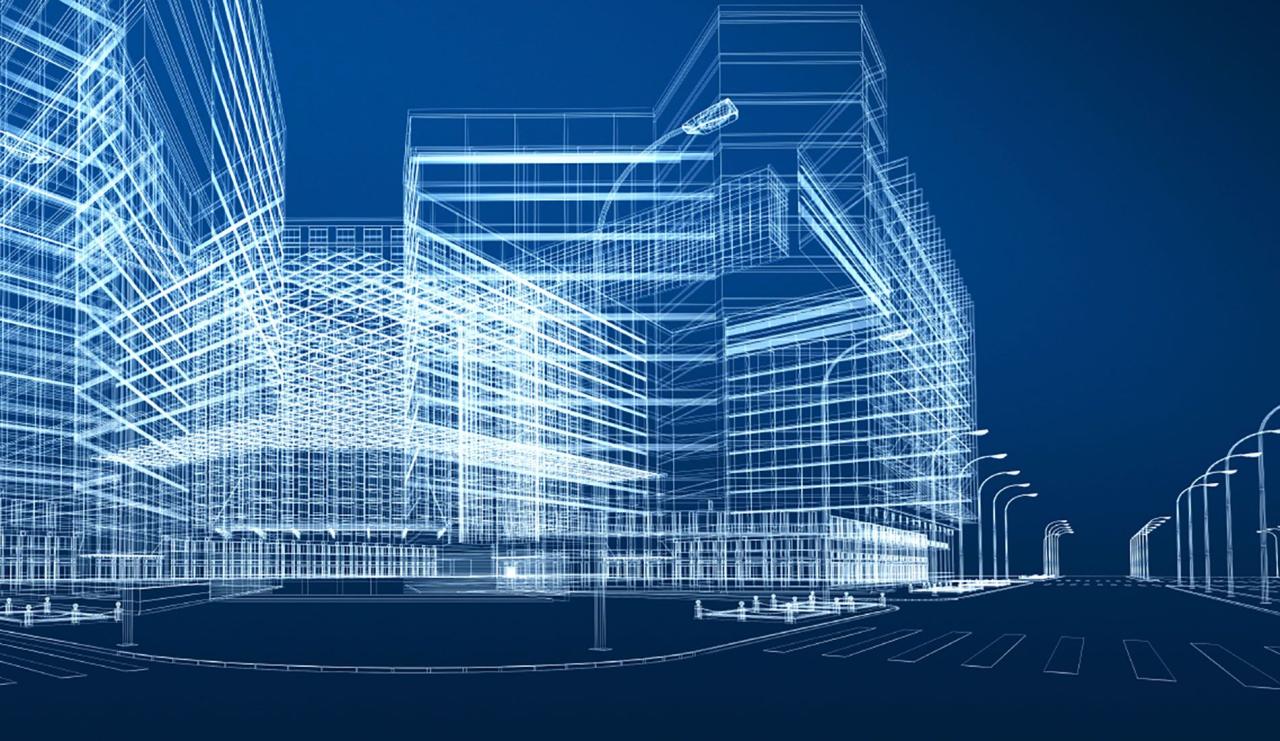
The Digital Twin, a sophisticated virtual replica of a physical building often incorporating BIM data, is essential for pre-leasing.
A. Pre-Visualization and Fit-Out: Architects can use the Digital Twin to model potential tenant fit-outs and infrastructure requirements before construction is complete, significantly reducing uncertainty and delays in the leasing timeline. Tenants can virtually walk through a space that doesn’t yet physically exist.
B. Asset Documentation for Leasing Teams: The Digital Twin acts as the authoritative source of truth for all building specifications, mechanical systems, and design features, providing leasing teams with immediate, accurate information for tenant queries regarding structural integrity, power loads, or IT infrastructure.
Strategic Implementation and Governance
Adopting PropTech is a strategic investment requiring careful planning and execution to maximize ROI.
A. Prioritizing Integration Over Silos
The greatest pitfall in PropTech adoption is creating a collection of disconnected, “best-in-class” software pieces. Successful implementation requires a focus on API integration so that the property management system, the lease administration platform, the CRM, and the tenant experience app all share data seamlessly. This creates a unified “operating system” for the asset, eliminating duplicate data entry and ensuring data integrity across the leasing workflow.
B. Defining Clear Success Metrics (KPIs)
The efficacy of PropTech must be measured by tangible results, tying technology investment directly to financial and operational outcomes.
A. Reduction in time-to-lease: Measuring the speed from listing activation to lease signing.
B. Increase in tenant retention rate: The most significant long-term metric for asset stability.
C. Decrease in administrative overhead: Quantifying the reduction in personnel time spent on manual lease documentation and service management.
D. Improvement in space utilization: Data-driven proof that the physical space designed by the architect is being used efficiently.
C. Addressing Data Security and Ethical Concerns
As data collection becomes pervasive, robust cybersecurity and ethical data handling are non-negotiable requirements. PropTech vendors must offer enterprise-grade security, full compliance with global data protection laws (e.g., GDPR), and clear policies on tenant data anonymization and use, building trust between the landlord and the digitally connected tenant.
The Future Trajectory: Convergence and Autonomy
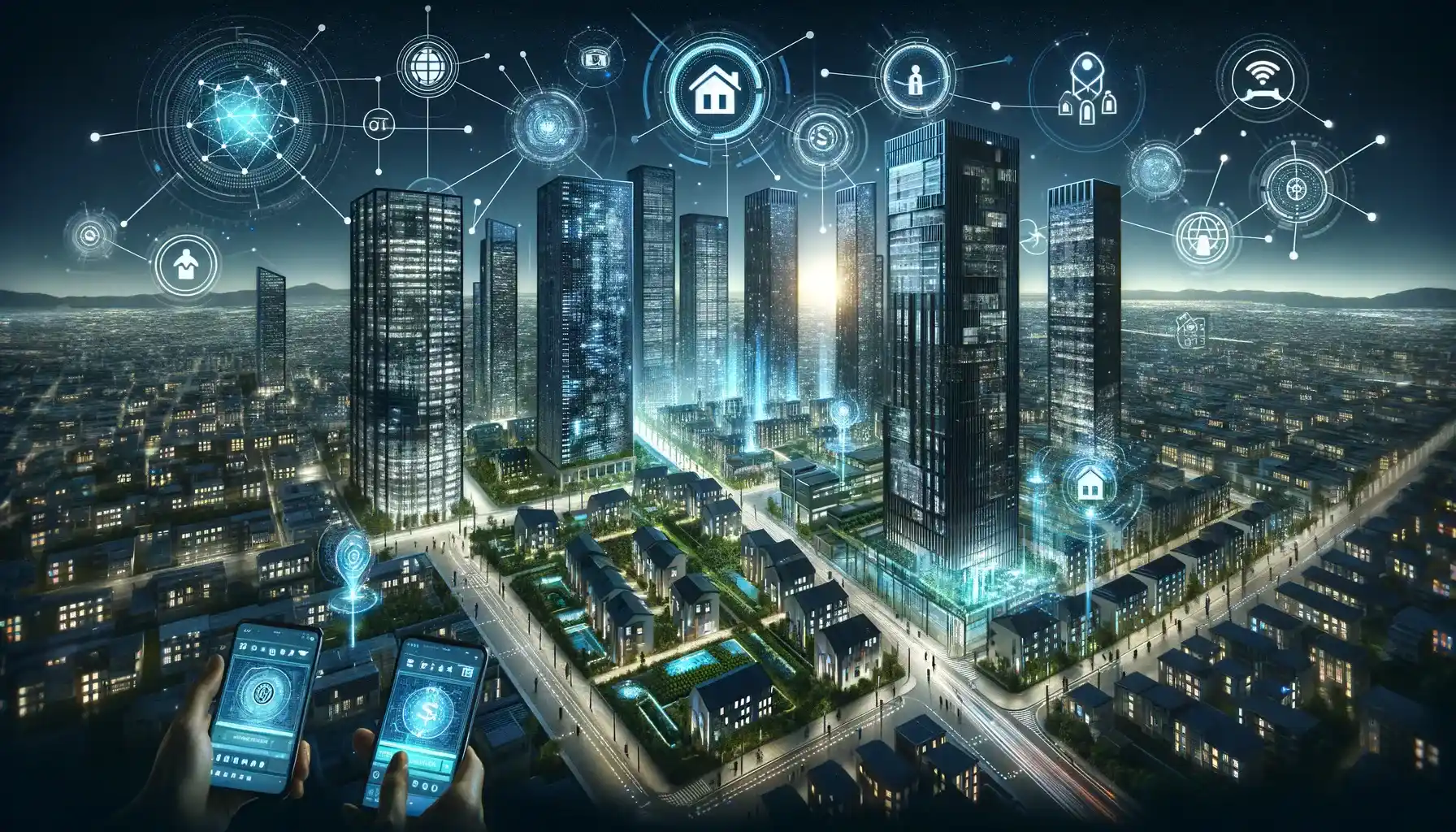
The next generation of PropTech will be characterized by greater autonomy and a deeper convergence of technologies.
A. The Autonomous Leasing Agent
AI is moving beyond simple lead qualification to managing complex interactions. Future systems will be capable of autonomously generating optimal lease terms within predefined parameters, managing scheduled virtual tours, and negotiating minor clauses, leaving human agents to focus exclusively on complex, relationship-heavy deal closures.
B. Fully Integrated Building-as-a-Service Models
PropTech will completely enable the shift to Space-as-a-Service (SaaS), where leases are hyper-flexible and performance-based. The commercial building will be managed like a utility, with tenants subscribing to space and amenities on an as-needed basis, all governed by sophisticated, real-time technology platforms that handle dynamic pricing, billing, and access control. This model will necessitate architectural designs that are inherently flexible and technology-ready from the initial sketch.
Conclusion
The digital transformation driven by PropTech is an ongoing evolution, forcing commercial real estate to adapt or risk obsolescence. For every stakeholder, particularly those involved in the physical creation and management of space, embracing these solutions is the prerequisite for future success and sustained asset value in the competitive global market.